Can I claim my 17 year old on my taxes 2019?
 William Burgess
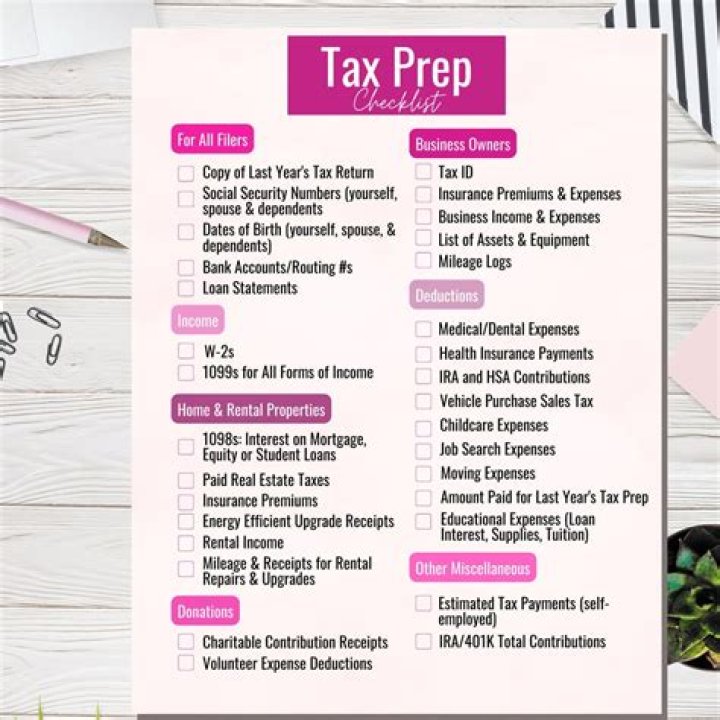
 To claim your child as your dependent, your child must meet either the qualifying child test or the qualifying relative test: To meet the qualifying child test, your child must be younger than you and either younger than 19 years old or be a “student” younger than 24 years old as of the end of the calendar year.
How do I claim my 17 year old on my taxes?
Claiming 17-Year-Olds as Dependents The qualifying child requirements include that the child must be under 19 at the end of the year or a full-time student under age 24, the child must live with you for at least half of the year, and the child can’t provide more than half of her own support.
Can I claim my 17 year old on my taxes if she worked?
If she is you dependent (Qualifying Child or Qualifying Relative) she is your dependent. She may file, but she cannot claim herself, she cannot claim her exemption. The IRS does not allow a dependent to claim their exemption, even if no one else does. …
When do you have to file a death tax return?
Top What asset level justifies filing of an estate (death tax) tax return? For someone who dies in 2018, the estate tax return is required if the gross estate is more than $11,200,000. Life insurance proceeds would be included in the gross estate if the life insurance policy was owned by the person who died.
Can a deceased tax filer get a refund?
If the tax filer died in 2018 or 2019, the answer is “maybe, maybe not.” Last week, that question became more urgent as reports surfaced of payments showing up in the bank accounts (and presumably soon in the mailboxes) of the deceased.
When do I have to file my estate tax return?
So for a decedent who dies in 2019, the estate tax return deadline is 4/15/20, assuming the standard December 31 tax yearend is chosen. An automatic 5-1/2-month extension of time to file Form 1041 can be obtained.
Can a spouse file a joint tax return for a deceased person?
If the decedent was married at the time of death, a joint tax return may be filed for that tax year. Either the spouse of the decedent or the executor may fill out and file the return. A full standard deduction may be claimed, and joint-return rates used.